

Ansuz


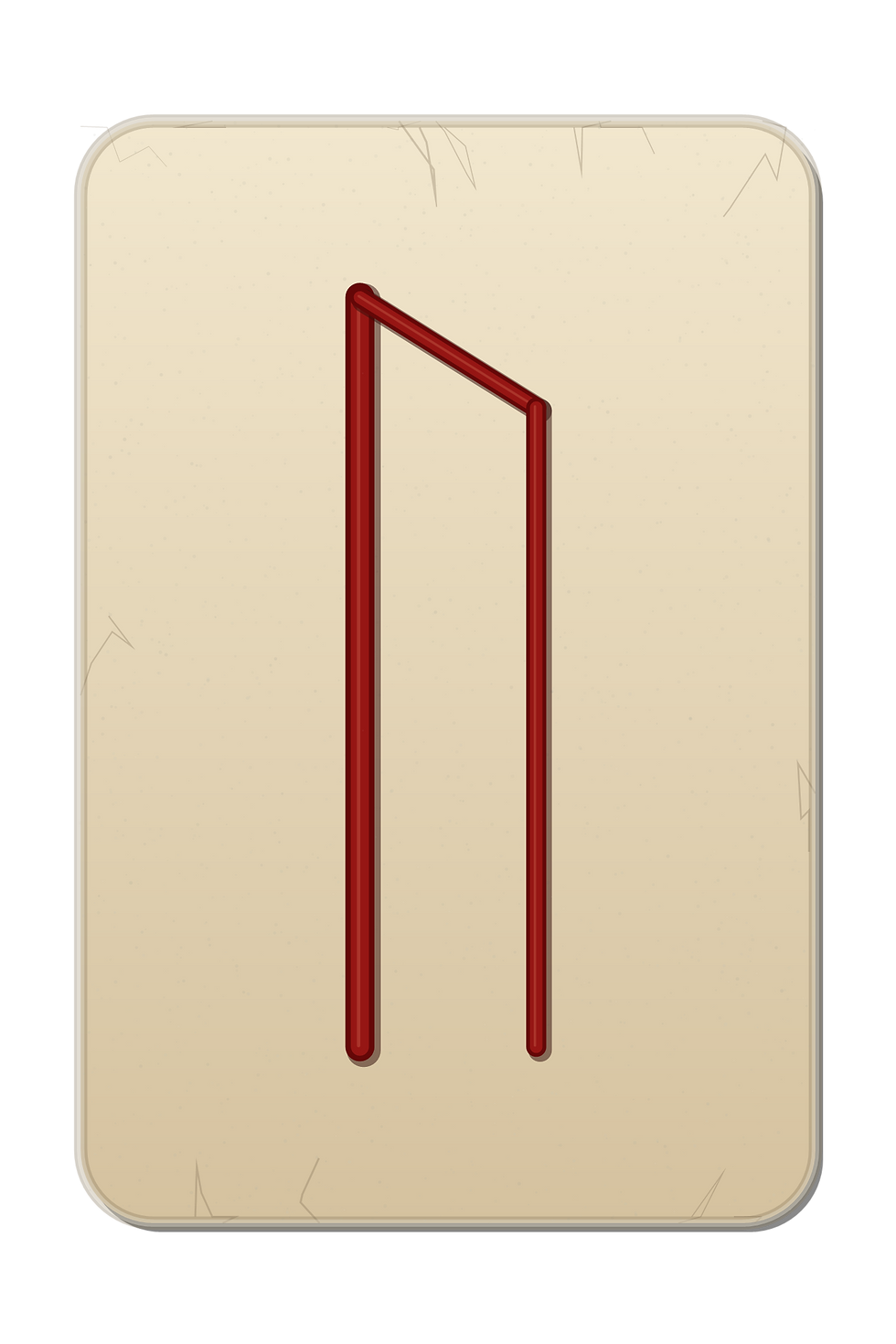
Ansuz is the fourth rune in the Elder Futhark and, like its predecessors, has common meanings derived from rune poems. While the Old Icelandic Rune Poem refers to Odin - and that is one common association for this rune today - I favor the Old English Rune Poem for this rune. I find a common meaning for the rune derived from this poem, mouth, closest to my own view and use of the rune. From Wikipedia, the Old English Rune Poem reads:
The mouth is the source of all language,
a pillar of wisdom and a comfort to wise men,
a blessing and a joy to every knight.
I favor this rune poem as it hews the most closely to my reading of Ansuz: communication. After all, as the poem says, the mouth is a source of wisdom, the means by which wisdom—and everything pretending to be wisdom—enters the world. Especially in a digital world, discussions around communication and disseminating information must encompass more than just verbal expression.
Ansuz, even at its root, is more than a mere mouthpiece for ideas. Its domains include teaching and advising, persuasion and negotiation. This is a rune at its core that requires little effort to see in this age. Today's communication happens in written and verbal channels, just as it did when the Old English Rune Poem was first recorded. It's only the variety of those channels that has expanded. We can communicate via text or email as well as letter, via phone or video as well as in person. But it's still Ansuz, still communication.
It's easy to see the bright side of Ansuz in this interpretation. The best communication inspires us, sparks ideas and enthusiasm, and can even transform the listener for the better. A skilled teacher can imbue their students with the curiosity to want to learn more. A gifted manager can coach their employees to grow in ways they themselves didn't originally consider. A compassionate counselor can find the right words to comfort the hurting in times of sorrow.
The other side of Ansuz, the murk, is deception. Whether it is how we mislead ourselves by listening to the cruelest voices in the crowd, or how we are deliberately deceived by charlatans with an agenda, or even how we disengage with ideas in sheer boredom, Ansuz's shadow lies in communication as well.
The difference in Ansuz is how receptive we are to the ideas being shared with us. Are we ready to hear wisdom being shared? Or are we desperate for an answer even if we know, deep down, it is false? Are we ready to engage with ideas, be curious, and learn? Or are we marking time until the next thing, disconnected from every inspiration? Are we listening for wisdom to affirm our ideals or confirm our worst fears?
This makes Ansuz a difficult rune to see in a reading at times since it can challenge the very filters we use to judge and process information. It helps to ask a few questions: What am I actually hearing? Who is sharing the information? What is not being said? What do I know of the motives of the one sharing this information? Ansuz can help us parse the communication under scrutiny.
As with all runes, I also look to Ansuz's relationship to runes in its aett or row: Fehu, Uruz, Thurisaz, Raidho, Kenaz, Gebo, and Wunjo. Within my reading practice, I also consider patterns created by runes occupying corresponding positions in the other aettir: Jera and Mannaz. These patterns can aid in interpreting Ansuz's communication. Jera's sense of timing can help make sure that Ansuz's message is heard at the right time. Mannaz's understanding of social order can help put Ansuz's wisdom in the right context.
Ansuz is not only about what is said. It is about what is meant, what is heard, what is believed, and what happens afterward.


Comments